
The Bear Cave #316
New Activist Report, Recent Resignations, and Tweets of the Week
Welcome to The Bear Cave! Our last premium articles were “Problems at Yelp (YELP)” and “More Problems at Serve Robotics (SERV)” and our next special investigation for paid readers comes out Thursday, March 19.
New Activist Report
Culper Research published on cryptocurrency Ether (ETH) and Bitmine Immersion Technologies (NYSE: BMNR — $8.59 billion), a publicly traded Ethereum treasury company. Culper alleged that “Ethereum’s December 2025 Fusaka upgrade has impaired ETH tokenomics” and highlighted that Ethereum’s founder, Vitalik Buterin, has sold meaningful ETH crypto holdings in recent months. Culper claimed the Fusaka upgrade to Ethereum’s protocol has had disastrous effects in the Ethereum ecosystem and enabled widespread scamming. Culper wrote:
“We engaged in a comprehensive on-chain analysis of every single ETH transaction from January 2025 through February 2026, and found that address poisoning – in which attackers ‘dust’ or ‘poison’ victim wallets with negligible-value transactions to induce mistaken/fraudulent transfers – has been the key driver of the increased activity that [Bitmine Chairman Tom Lee] cites as supposedly bullish for ETH.”
Recent Resignations
Notable executive departures disclosed in the past week include:
CFO of Asana (NYSE: ASAN — $1.89 billion) departed after one and a half years. The company’s founder/CEO, General Counsel, and Chief Operating Officer all departed last year.
Board member and Audit Chair of MVB Financial Corp (NASDAQ: MVBF — $323 million), Mr. Glen W. Herrick, resigned with immediate effect after one year over “matters relating to the company’s corporate governance practices, executive compensation practices and philosophy, and the company’s strategic focus.” Mr. Herrick’s resignation letter stated, in part,
“As a fiduciary for the company’s shareholders, the lack of alignment between pay and performance is simply not something I can justify. Furthermore, I continue to believe that the lack of strategic focus on core profitability and recurring earnings is contrary to the best interests of shareholders – the true owners of the company. Unfortunately, my concerns have seemingly fallen on deaf ears or resulted in dubious claims to address them in the future.”
Four board members will retire from the board of WesBanco (NASDAQ: WSBC — $3.24 billion), which currently has 19 members. The bank disclosed:
“The Board concluded that its current size is much larger than that of peers… To that end, the company’s directors were offered a voluntary retirement opportunity whereby interested directors would retire effective at the conclusion of the company’s annual meeting of shareholders in April 2026 and receive a one-time equity grant of restricted shares of the company’s common stock valued at $250,000.”
CEO and Board Chair of Starfighters Space (NYSE: FJET — $342 million), Mr. Rick Svetkoff, resigned last week just three months after the company’s December 2025 IPO. His resignation letter stated, in part,
“Over an extended period, I have developed serious concerns regarding the Board’s governance and oversight practices, including misallocation of limited corporate resources to matters which have no material benefit to the company, repeated disregard of established risk controls, a burdensome requirement that cumulative costs in excess of $50,000 on an annualized basis have prior board approval despite the fact that day-to-day operational costs often exceed this sum, making such operations a practical impossibility, the failure to respond adequately to credible compliance issues…”
Data for this section is provided by VerityData from VerityPlatform.com
News of the Week
“Shark Tank: How DealMaker Uses Morning Brew and Robinhood to Lure Retail Investors Into Predatory Waters” (Hunterbrook)
“A Hunterbrook Media investigation reveals how a network of distressed startups, a hungry marketing firm, and some of America’s most trusted financial media brands — wittingly or not — ended up separating small investors from their money. A remarkable number of respected outlets, from blue-chip financial newsletters to The Wall Street Journal, appear to have hosted misleading or downright false ads, calling into question their due diligence and adherence to disclosure obligations. The result looks like an unhappy masquerade: troubled companies partnering with slick marketers to hide their rotten balance sheets behind the prestige of reputable mastheads, and news outlets indirectly promoting the very companies they should have been scrutinizing…”
“Can AI Save Local News?” (WSJ)
“The Philadelphia Inquirer and other regional outlets turn to AI to automate elements of reporting and expand coverage…”
“Barry Diller’s IAC Agrees to Sell Care.com” (WSJ)
“IAC agreed to sell Care.com to a private-equity firm for $320 million Monday… IAC bought Care.com for $500 million in February 2020. The deal came months after Care.com faced scrutiny for providing limited vetting of its caregivers. Care.com later agreed to pay a $1 million fine related to accusations over misrepresented background checks and other issues.”
Also read The Bear Cave’s first-ever investigation: “Care.com: Multiple Deaths and Child Abuses, Fraudulent Billing, and a Harvey Weinstein Babysitter.”
Tweets of the Week

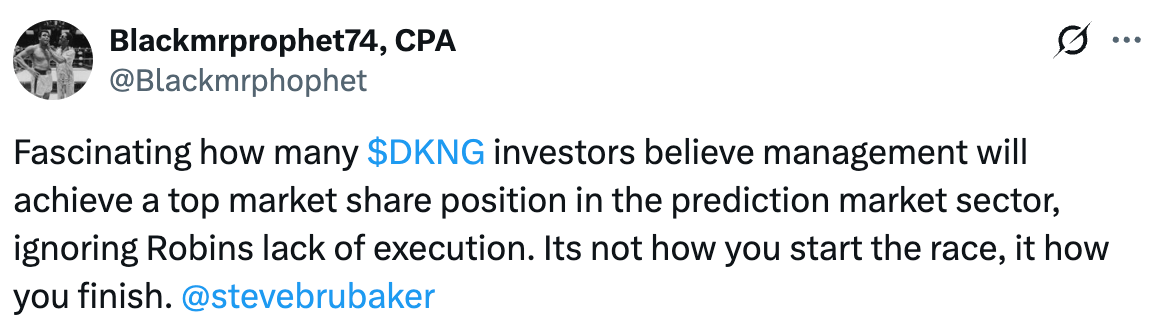

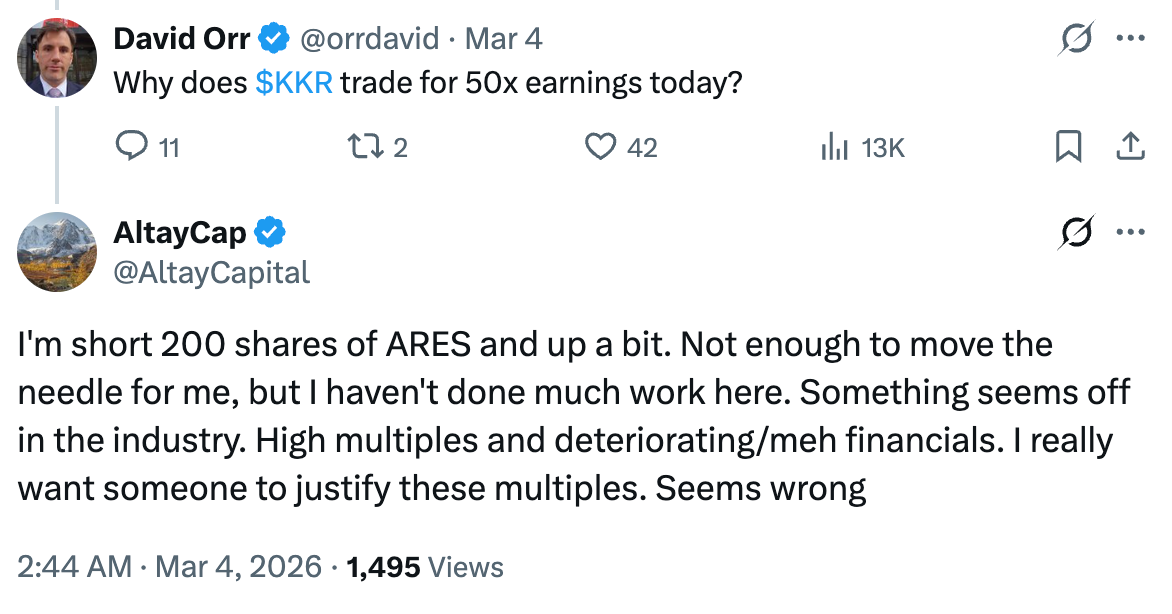
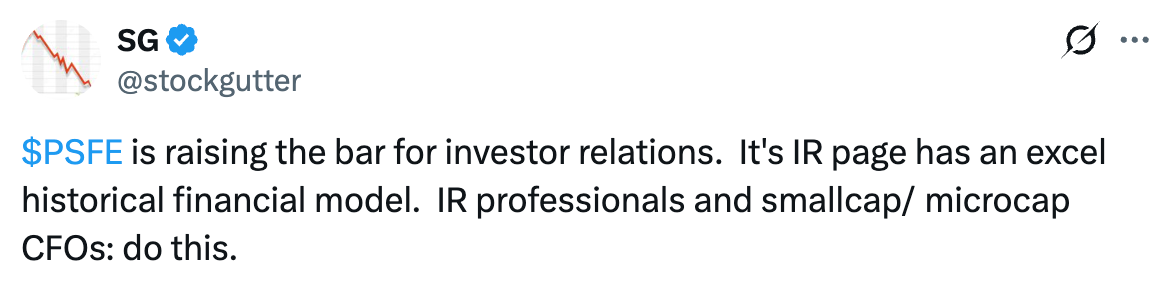


Until next week,
The Bear Cave